
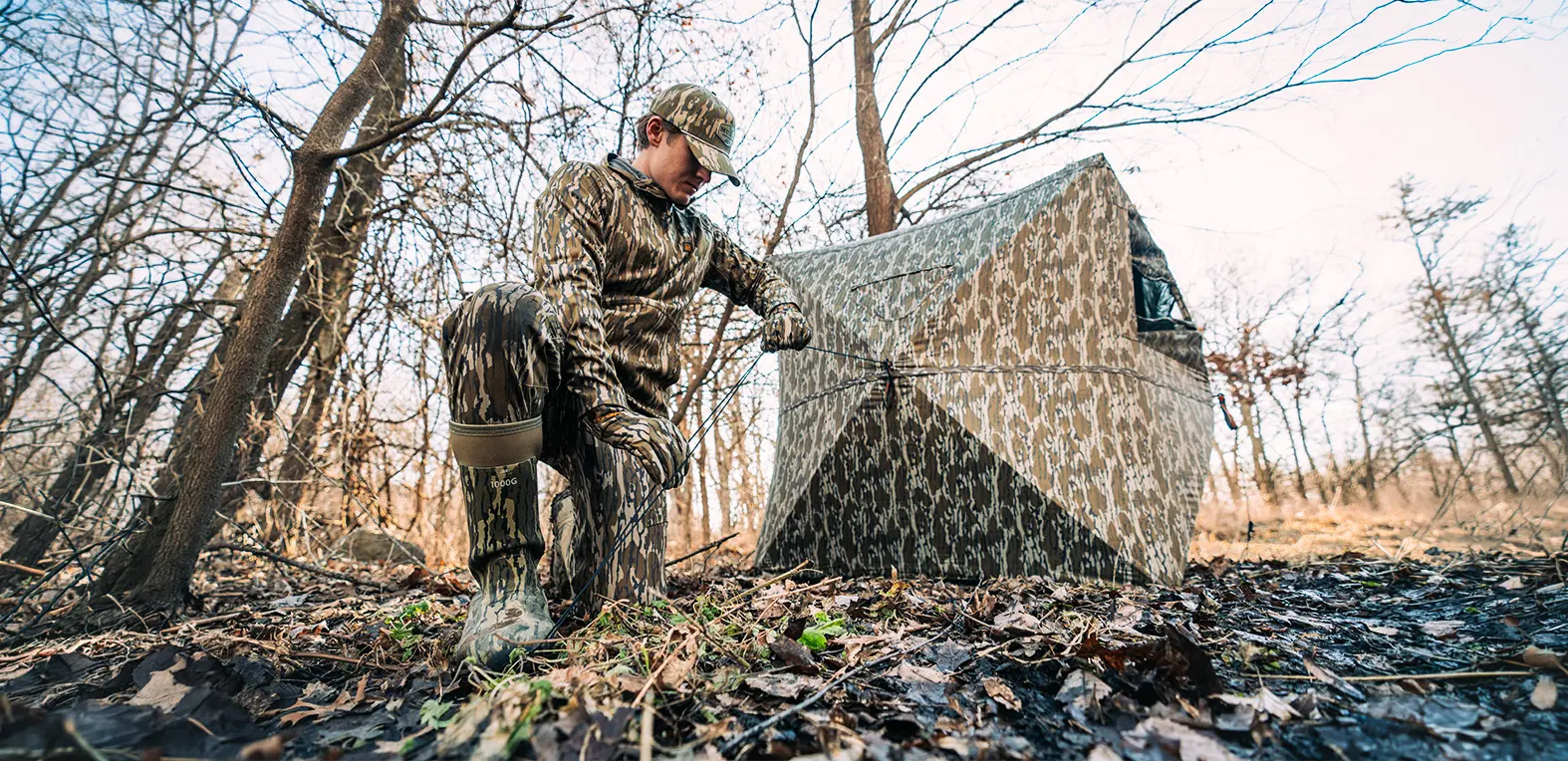
Spring Property Prep Starts Now for a Better Fall Season
By Ryan Fair
If you want a better deer season, the work starts right now. Too many hunters wait until late summer to think about stands, blinds, cameras, and habitat improvements. By then, weeds are thick, time is short, and every trip onto the property risks educating deer just as patterns begin to form. The hunters who consistently find success understand that spring deer property prep is one of the best ways to create opportunities long before opening day.
Spring gives you a valuable window. Last season is still fresh in your mind, trails are easier to read before everything greens up, and you have time to make smart changes without rushing. Whether you manage a small parcel or a large farm, now is the ideal time to think about how to prepare your hunting property for this fall.
Revisit Last Year’s Stand and Blind Locations
One of the first things I like to do each spring is walk through every stand and blind location I hunted the previous fall. Some setups were productive. Others looked good on paper but never materialized. Sometimes the issue wasn’t the location itself, but poor access, inconsistent wind, or too much pressure. Spring is when you can step back and honestly evaluate what happened. Did deer actually move through that funnel in daylight? Did you get busted entering the area? Were your shots limited by brush or bad angles? These are the questions I ask myself to make better decisions in the months ahead.
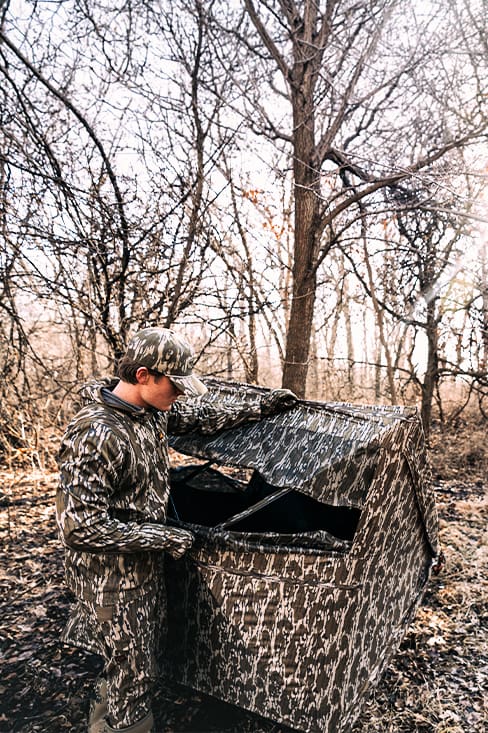
Spring is also a great time to rethink where to place a deer blind. Too many hunters set blinds where it is easiest to access rather than where deer naturally want to travel. A blind tucked into edge cover overlooking a plot or travel route often performs much better than one dropped out in the open.
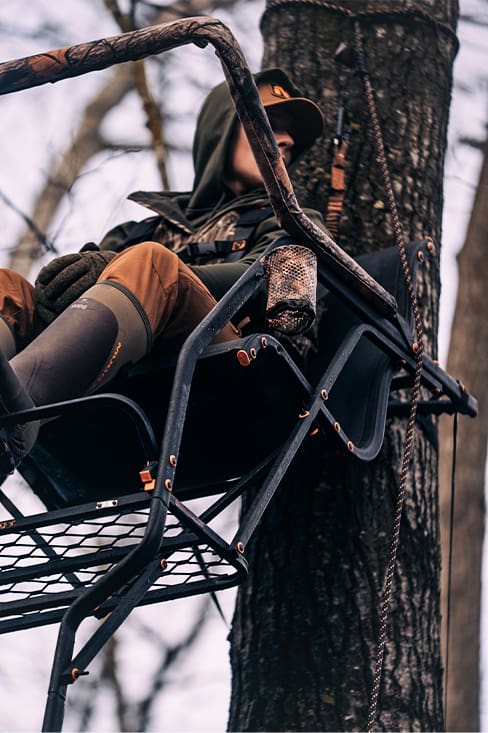
Now is also the time to be thinking about a blind vs tree stands, and what makes the most sense to your situation. Most serious hunters benefit from both. Tree stands can be excellent in tight timber or when winds are variable. Blinds shine on field edges, food plots, youth hunts, firearm seasons, and rough-weather days. Spring is the time to build options so you can adapt in season.
Trim Lanes and Fix Problem Areas
If a branch cost you a shot last fall, now is the time to fix it. One of the simplest ways to improve a property is by preparing shooting lanes for deer hunting well before the season starts. You can see the structure of the woods more clearly in spring, and any disturbance has months to fade before hunting pressure begins.
The key is not overdoing it. Deer generally feel more comfortable using cover, so avoid creating giant open corridors. Instead, focus on subtle shot windows that let you shoot cleanly while keeping the area secure. A few carefully trimmed lanes can make a huge difference when the moment of truth arrives. Just remember you will still need to take some hand pruners in on your first hunt to trim up any new growth.
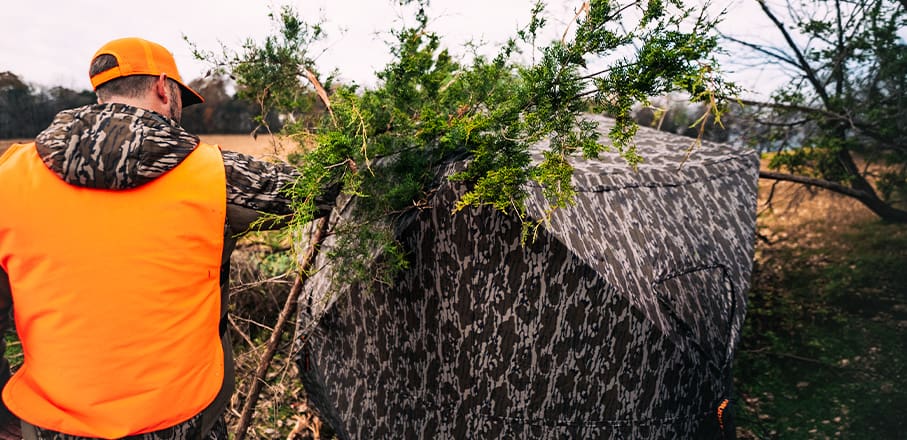
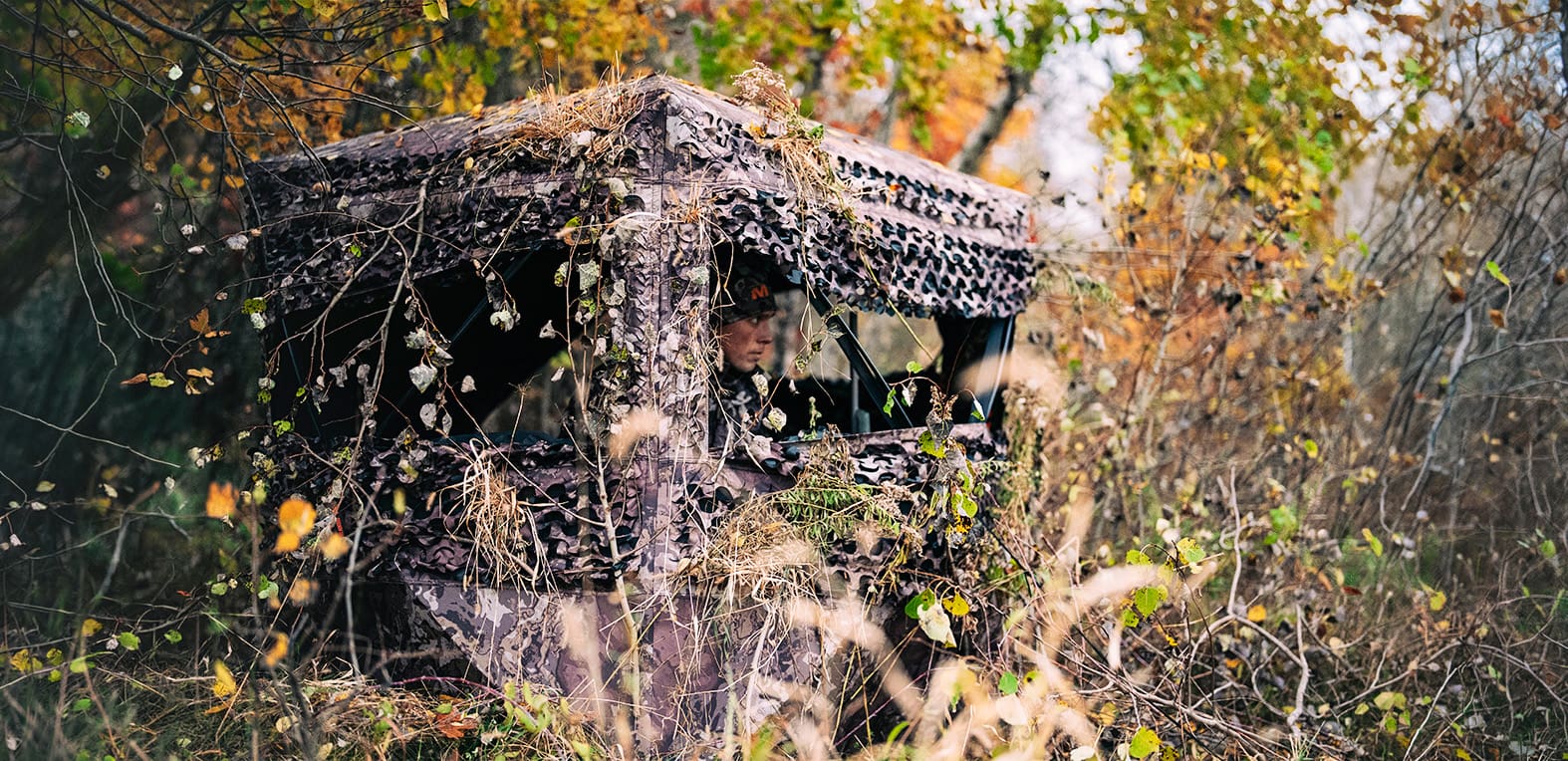
Ground hunters should also think about how to brush in a deer blind come fall. Look for natural vegetation, cedar limbs, tops from hinge cuts, or native grasses to soften the blind’s outline. The more natural it looks, the easier it blends into the environment. Also don’t forget to check your shooting lanes from your blind as well.
Access Is Often More Important Than the Setup
One of the most overlooked parts of deer hunting land management is access. Hunters spend endless hours choosing tree stand or blind locations but often ignore how they are going to get in and out without alerting deer. A great setup that blows deer out every time you approach is not a great setup. Spring is the perfect time to clear quiet trails, improve creek crossings, add screening cover, and establish alternate entry routes for different winds. Those changes may not feel exciting, but they can have more impact than hanging another stand.
The same goes for a smart deer blind entry and exit strategy. Can you slip in unseen? Can you leave after dark without blowing all the deer out of the field? Can you hunt it on multiple winds without contaminating the area? If not, now is the time to adjust.
Get Cameras Out Early and Visit Less
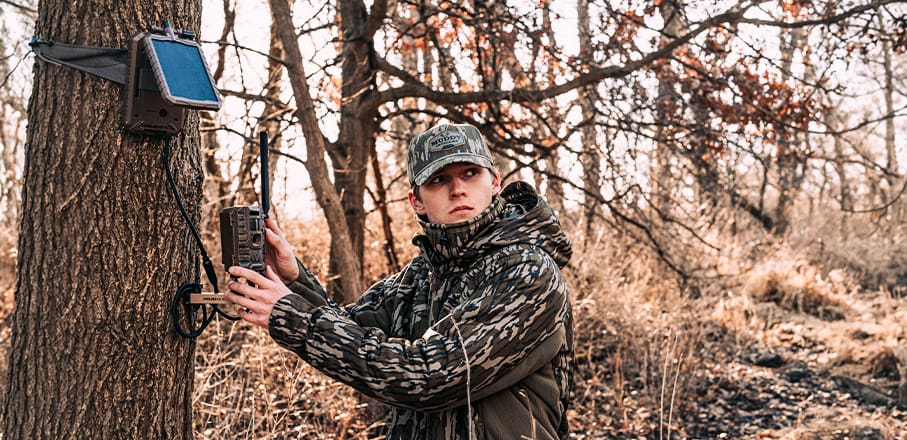
If you wait until August to hang trail cameras, you are already behind. Spring and early summer are excellent for learning travel routes, tracking herd health, and beginning inventory on the deer using your property. One of my favorite ways to do this is hang my Muddy cell cameras overlooking an Evolved mineral block.
I’m also a strong believer in solar battery setups for cameras. Running solar power helps keep cameras active longer while reducing the number of trips you need to make onto the property. That means less scent, less disturbance, and a better chance deer continue natural patterns. In many cases, fewer visits are just as valuable as better camera placement.
Start Food Plot Planning Now
Successful plots are rarely built in a rush. Soil tests, spraying programs, equipment maintenance, seed selection, and planting windows all reward early planning. If plots are part of your strategy, spring is when you should decide what each one needs to accomplish. Some plots are designed for summer nutrition. Others are built for early season attraction, late-season energy, or as small kill plots near stand sites. Thinking through that purpose now creates a more effective overall property plan.
This is where summer deer habitat preparation can really separate a property. Hunters who focus only on fall attraction often miss the bigger picture. Better year-round habitat and nutrition can improve movement, daylight use, and long-term herd quality. When it comes to seed planning, Evolved is worth considering. Their updated seed lineup was developed with input from some of the nation’s top deer experts, resulting in blends designed for both attraction and practical property performance.
Small Details Matter
Use spring and summer to fine tune every setup. Practice seating position inside blinds. Mark yardages outside shooting windows. Check straps, platforms, and hardware on tree stands. Replace anything questionable now rather than discovering a problem on opening day.
Simple hunting blind setup tips like interior darkness, quiet windows, organized gear placement, and comfortable seating can make long sits more effective and more enjoyable. The hunters who sweat small details are usually the same ones ready when opportunities appear.
Fall Success Starts in Spring
Every season, some hunters seem prepared while others scramble. The difference is usually not luck. It is the work done months ahead of time. They improved access. They trimmed lanes. They moved cameras. They planned plots. They corrected weak setups and thought through wind, pressure, and movement patterns early. This is the real value of spring whitetail habitat improvement. Don’t wait until the leaves begin to turn to start thinking about fall. Get started now, and when the opener arrives, you will not be guessing, you will be prepared.