
By: Heath Wood
Patterning bucks during the early season is a strategic endeavor that can significantly increase your chances of a successful hunt when the highly anticipated season arrives. Bucks are more predictable during this time, following habitual travel routes between bedding and feeding areas. By utilizing summer game camera tactics over the past several years, I have gathered valuable data to help understand these patterns and be more prepared when the season begins. Even though sometimes it may seem like I am playing a cat-and-mouse game between my cameras and mature bucks, the trial-and-error effect eventually gravitates toward a higher success rate when I let my Muddy Cellular game cameras do much of the work.
Early season bucks are creatures of habit. They follow consistent patterns, moving between bedding areas, food sources, and water. This predictability stems from their biological need to conserve energy and stay safe from predators. Bucks often establish and maintain a routine around their core areas during the summer. Though it may seem as if it would be easier, the most difficult challenge for hunters is finding actual core areas and not letting similar intel make one assume false potential areas.
Using Summer Game Camera Tactics to Increase Your Odds
One of the biggest mistakes I recently made while using summertime game cameras was relying on supplemental feeds. I typically set up a Boss Buck Feeder filled with whole corn and Boss Buck’s high-protein supplement, Grow Crazy. While the feed’s aroma and taste attract many deer in front of the camera, assuming this is a deer’s core area is a mistake. When the feed runs out, the deer leave. Instead, locate a buck’s core area, where he spends most of his time, and set up your feeder and Muddy cellular camera nearby. This approach will help you determine a more accurate travel pattern when the season arrives. So, how do you find a buck’s core area?
How To Find Core Buck Areas
The first step in patterning early-season bucks is identifying their core areas, sometimes by finding their primary food sources and bedding areas. Bucks typically bed in secluded, cool areas during the day and move to food sources in the evening. Set up a few temporary observation cameras to help determine where bucks are traveling. Set up cameras strategically by positioning your cameras along well-used trails between bedding and feeding areas. Look for natural funnels, creek crossings, and edges of fields where bucks are likely to travel.
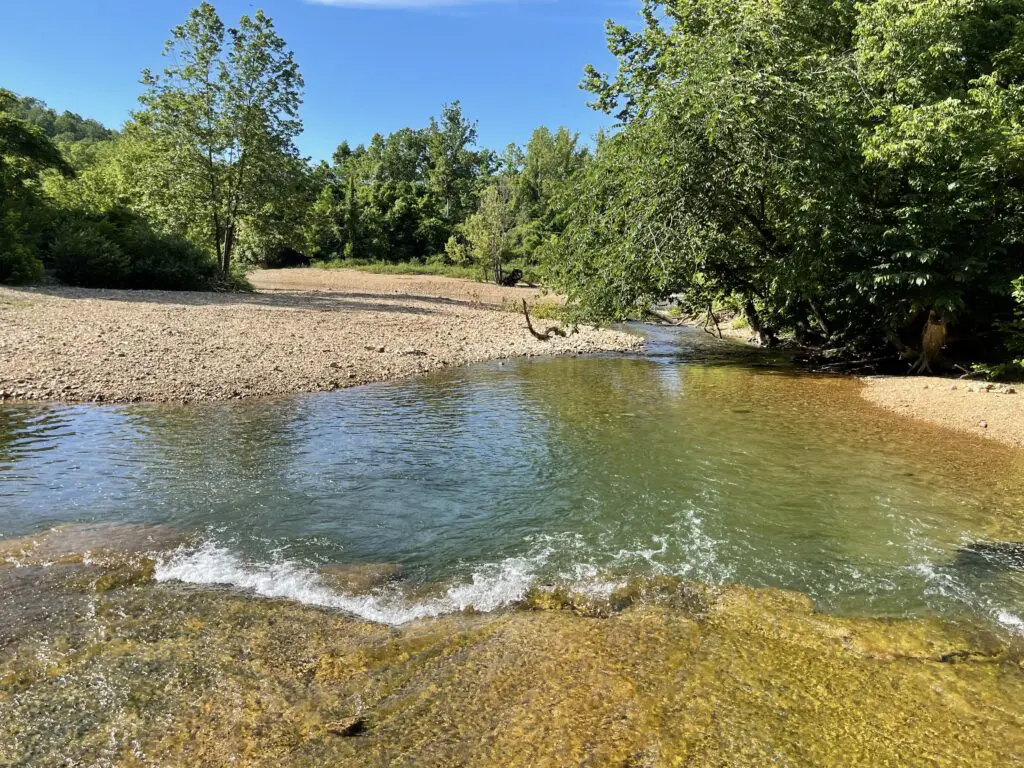
Another great area to monitor is water sources.In the heat of the summer, water sources become critical for bucks. Place cameras near ponds, streams, and other water sources to consistently capture images of bucks visiting these locations.
The last method is identifying movement patterns and reviewing the images and data collected from your cameras. Note the times of day bucks are most active and the routes they take. By using the Command Pro App, monitoring photos is much easier and faster than using multiple memory cards, one at a time, to gather photos.
To maximize your chances of capturing summer buck pictures, here are a few more ideas to consider for camera placement strategies.
Food Plots and Agricultural Fields: Place cameras along the edges of food plots and agricultural fields where bucks are likely to feed. These areas provide a consistent food source and are excellent locations for capturing deer activity.
Trail Intersections and Natural Funnels: Bucks often use the same trails repeatedly. Position cameras at trail intersections and natural funnels where multiple trails converge. These are high-traffic areas that can yield numerous pictures.
Mineral Sites and Feeders: I mentioned using a Boss Buck feeder to help gain images. If legal in your area, setting up cameras near mineral sites can also be effective, attract bucks, and provide valuable insights into their habits.
Transition Areas: Focus on areas where deer transition from thick cover to open feeding areas. These transition zones can be hotspots for deer movement.
Moving Cameras as Bucks Change Travel Patterns
This is when summer game cameras can often frustrate many hunters. “I get buck pictures all summer, then they disappear before the beginning of hunting season” is a common phrase from disappointed hunters. As the season progresses and bucks begin to alter their travel patterns, you must adjust your camera placements accordingly to stay on their trails until it is time to hunt.
Monitor Changes in Food Sources: Bucks will shift their feeding patterns based on food availability. For example, as acorns begin to drop in the fall, bucks may move from agricultural fields to oak groves. Adjust your cameras to follow these changes.
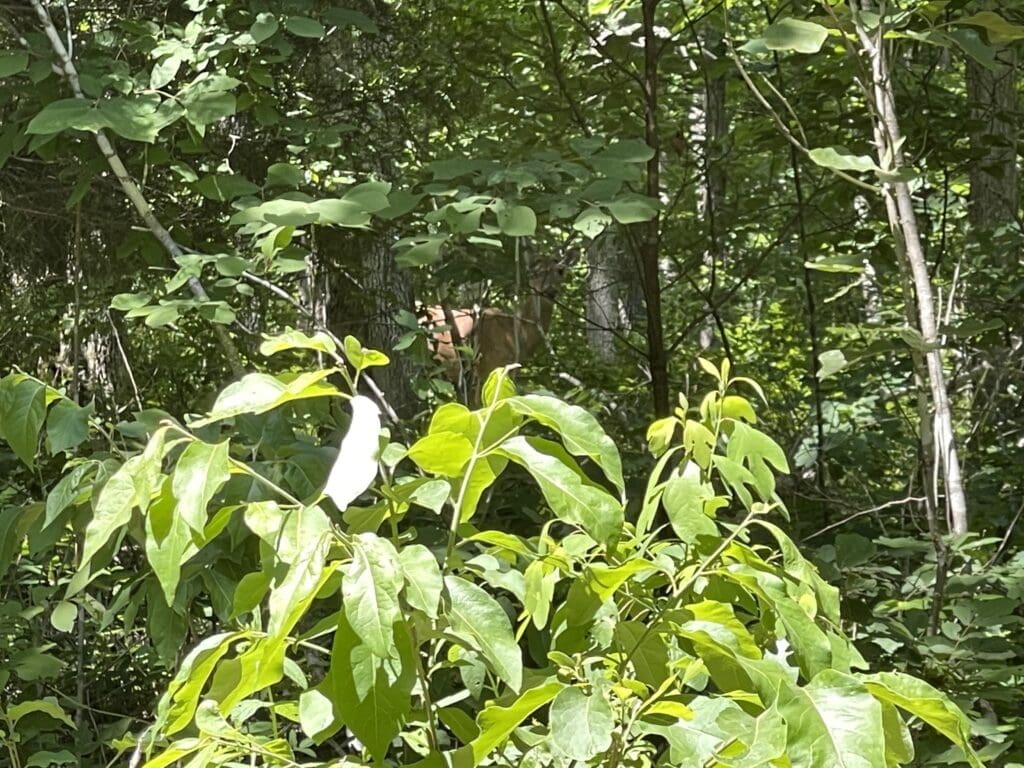
Rutting Activity: Bucks will expand their range and significantly alter their summer travel patterns during the first signs of the pre-rut. Place cameras near scrapes, rub lines, and known doe bedding areas to capture rutting activity.
Adapt to Pressure: Increased hunting pressure can cause bucks to change their routines. If you notice a drop in activity at your original camera locations, consider moving your cameras deeper into the woods or to less accessible areas where bucks might seek refuge.
Why Cellular Cameras Are Better for Patterning Mature Bucks
Cellular cameras offer several advantages when patterning mature bucks during the summer. One advantage is less scent and disturbance. Traditional game cameras require frequent visits to check memory cards, which can leave a scent and disturb the area. Cellular cameras transmit images directly to your phone or computer, minimizing human scent and pressure on the bucks.
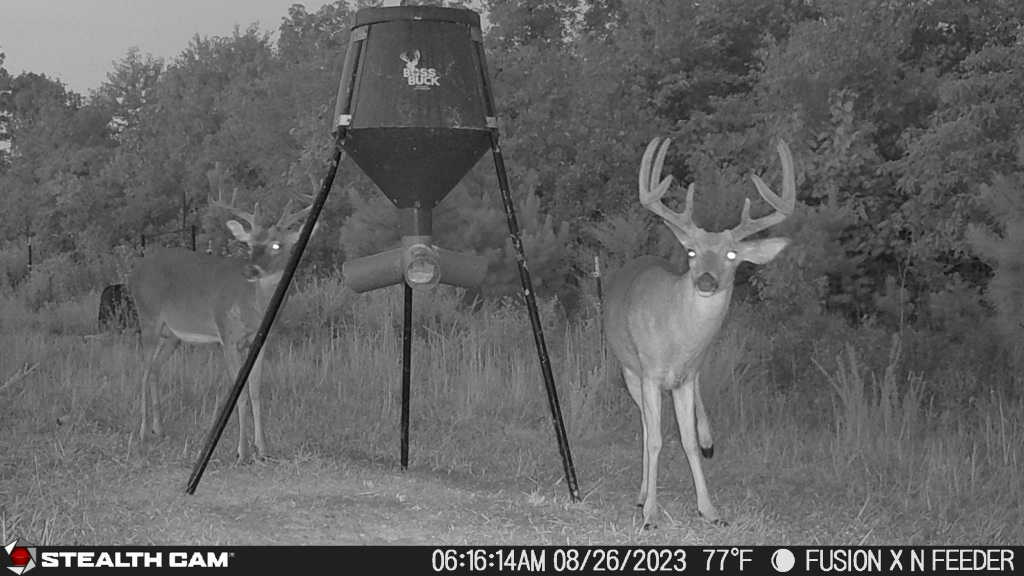
Cellular cameras have one of the most significant advantages because they update deer activity seconds after it occurs. This allows you to make timely decisions and adjustments based on the latest information, increasing your chances of being in the right place at the right time.
Cellular cameras save time and effort by reducing the need for constant physical checks and help reduce human scent in hunting areas. This efficiency also allows you to cover more ground and gather data from multiple locations without the risk of spooking deer by bumping them out of their core areas so often, causing them to leave their area permanently.
Patterning early-season bucks with cellular cameras is a highly effective strategy combining deer behavior predictability and modern technology’s convenience and efficiency. By understanding their travel patterns, strategically placing cameras, and adapting to changes throughout the season, you can increase your odds of a successful hunt.