
How to Kill a Late Season Last-Minute Buck
Harvet a Late Season Buck
Hunting Pressure
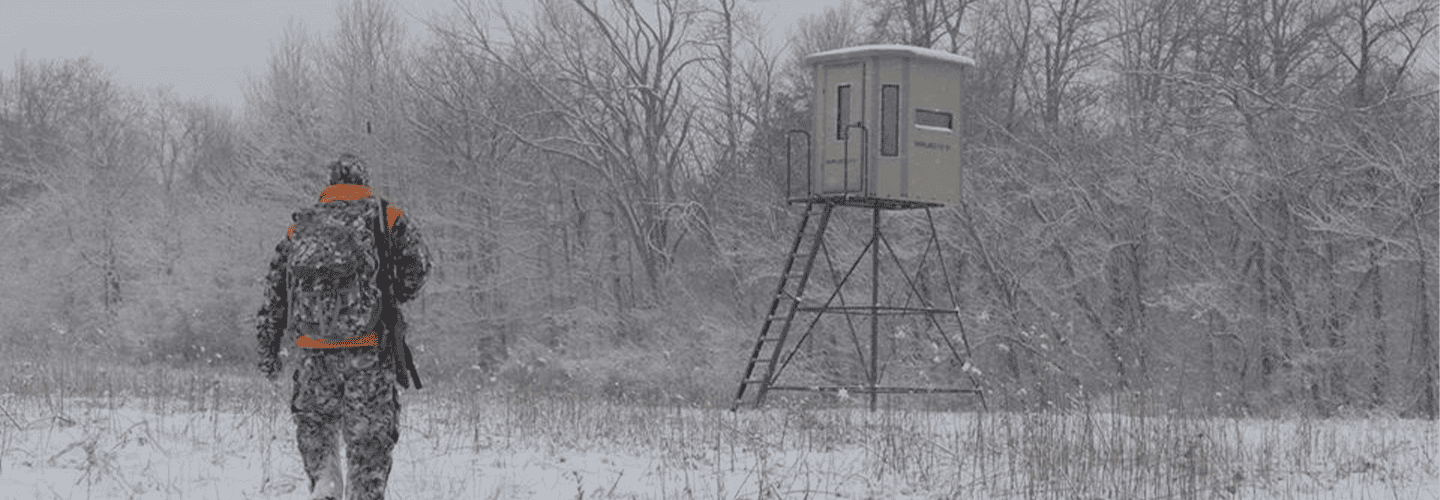
Hunting pressure is seen as a dirty word, but without it, you wouldn’t be able to see deer. If you deer hunt, you pressure deer—end of story. When it comes to late season hunting, you should first evaluate the pressure your property has seen throughout the prior months. In high-pressure gun hunting states like Wisconsin, Michigan, and Pennsylvania—it might be best to give your property a little break before jumping back in the tree expecting late season movement on open food sources. Of course, there are always exceptions, and maybe you have a very low-pressure property in one of those states. The key with hunting pressure is to understand how much you and surrounding landowners pressured the land you hunt, and evaluate your late season strategies from there. You cannot expect to see great late season movement if you bow hunt your property hard during the rut, then have family out and about rifle hunting with you during firearms season. Mature bucks will not likely leave your property if you still have food sources around, but they will move less often due to hunting pressure and the fact that they need to recover from the rut.
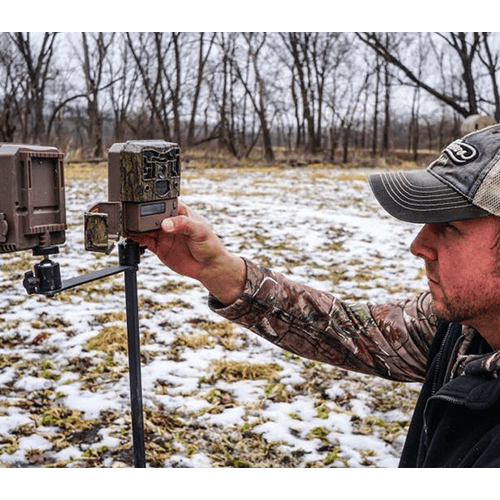
Know the hunting pressure you’ve applied to your land, and pump the breaks a little bit if need be. Patiently waiting for true late season bed to feed patterns to take place is a better strategy than guessing. Use your trail cameras during the period after rifle seasons as well, this will help you gauge deer movement.
Late Season Food Sources
If you have the food, you will have the deer—pretty simple. This is especially true in the late season as bucks are trying to gain back the weight they lost during the rut. Bucks will be in search of high carbohydrate and high fat food sources such as standing soybeans and corn. In the areas I hunt, corn is king during brutal winter temperatures. I find that deer crave soybeans and corn during cold temps, but corn usually wins out. Even the biggest bucks in your area may throw caution to the wayside during frigid temps and make an appearance on big crop fields.
The green food plot you saw so many mature deer on during September and October may be covered in snow during this time period. It also could be bare ground and you might be wondering why your clover, brassica, or winter wheat field isn’t seeing any deer. It all revolves around what deer need to survive. By mid-winter, green food sources usually aren’t supplying what deer need—unless it’s the only good food in the neighborhood. You may find deer hitting green food sources again when temperatures warm up, but don’t count on seeing many deer on your green plots if they aren’t tucked away next to areas of high cover, or a south-facing hill. In most cases, deer would prefer corn or soybeans to a green food plot during cold winter months. However, never say ‘always’ in deer hunting—find what works in your area and plan your late season hunting around it.
Weather Patterns
Weather patterns play a crucial role in late season hunting. Weather dictates deer movement during each phase of the season to some extent. Late season is unique in that cold and warm fronts can get the deer moving, but it all depends on the previous few days of weather. For example, if the temperature has been 40 for around three to four days straight, and then the bottom drops out and the next days high is going to be 17 degrees and clear, it will probably enhance deer movement and could get your target buck up and moving. The opposite is sometimes true during late season as well. If there have been multiple days, or even a week of extremely cold weather, warming temperatures sometimes bring good movement as well. During these warmer temps or ‘breaks’ from the freezing cold, deer take this as an opportunity to sort of ‘stretch out’ and move around, much like humans would during a break from the cold weather. Pay close attention to trail cameras this time of year to gain knowledge of weather fronts and how it affects deer movement in your area.