

The post-rut phase can be a challenging time for bowhunters seeking mature bucks as the frenzied breeding activity of the rut subsides, and deer behavior undergoes a significant change. However, hunting post-rut bucks can be rewarding if you understand their post-rut habits and adapt your hunting strategies accordingly.
Staying motivated in the later stages of the hunting season can be a real challenge. The intensity of October and November, coupled with the exhaustion from chasing bucks during the rut, can wear us down. Taking a break becomes essential for recharging, and returning with renewed enthusiasm is the key to powering through the season’s final days. When hunters can determine where mature bucks are likely to be found after the rut, they can quickly gain a second wind and a boost of excitement to target a mature buck. Post-rut has become notorious for hunters focusing on bedding areas and food sources, for good reason. These two areas are crucial for the health of bucks and excellent places for hunters to have their stands.
Where to Find Mature Bucks After the Rut
Once the rut is over, mature bucks often shift their focus from breeding to survival. They tend to become more nocturnal and secretive, making them more of a challenge to locate. Some hunters give up during this phase, or as mentioned before, they lose their drive to hunt, which was much higher only a few days prior. Here are some key locations to consider when searching for post-rut bucks.
Bedding Areas: Mature bucks often seek out secluded bedding areas where they can rest and recover after the rut. Mature bucks can bed most of the day, for several days, only getting up to eat a few bites and drink, then rest. These spots provide security, and hunting near or in these areas can increase your chances of encountering a mature buck.
Food Sources: As bucks recover from the rigors of the rut, they become ravenous and seek out high-quality food sources. Pay attention to the locations where deer feed, especially during the late afternoon and early evening. Food plots that can quickly pack nutrients can be highly effective areas. In states where it is legal, supplemental feeding is also a great way to refuel a buck’s lost nutrition quickly while providing great hunt locations.
Transition Zones: These are areas between bedding and feeding locations where bucks may travel while searching for food. After the rut, bucks are notorious for spending a couple of weeks resting and eating to help regain their strength and body mass that was depleted during the rut. Positioning yourself in these transition zones can be an effective strategy to get within close range of a mature buck.
Why Hunt Bedding Areas During the Post-Rut
Hunting bedding areas during the post-rut is a proven strategy for several reasons. One of the main reasons is reduced pressure. Bedding areas are often overlooked by hunters, especially after the rut. This lower hunting pressure can make them attractive sanctuaries for mature bucks.
Often bedding areas after the rut can be found in thicker cover areas. A buck likes to feel safe and secure. Especially older ones who often prefer bedding in areas that provide them with a sense of safety. Hunting these locations increases your chances of encountering a mature buck during its movement between bedding and feeding areas. A strategic ambush is one of the best ways to hunt these areas. Setting up near bedding areas allows you to establish calculated points where you can catch bucks as they leave or return to their bedding spots.
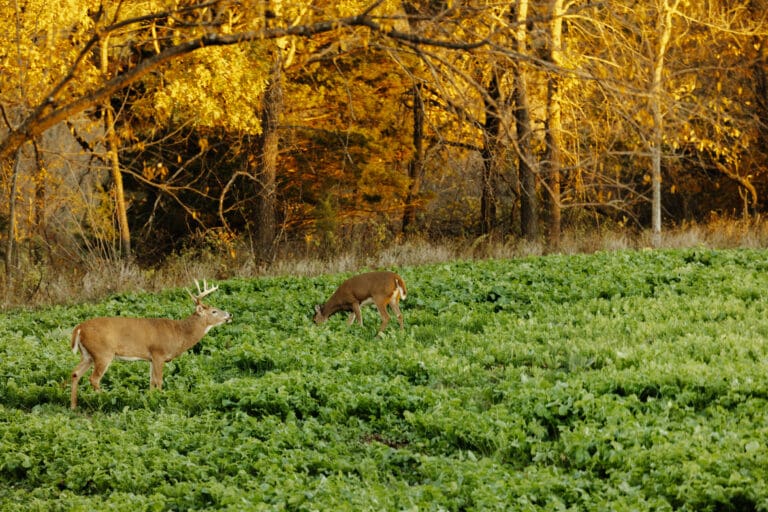
Why Focus on Food Sources Post-Rut
Bucks need to regain lost energy after the rut, and food sources become their primary focus. One of the most popular hunting destinations during the post rut is sitting in a Muddy Box blind over a major food source.
A food source is crucial to target mature bucks during the post-rut because of their predictable movement. Deer, including mature bucks, tend to be more active around food sources during the late afternoon and early evening. Hunting near these locations increases your chances of intercepting them. Yet, the deer are not there simply because they like to eat. They love nutrient-rich food, and more importantly, they need the extra boost of nutrition to survive the remainder of the winter. Mature bucks seek nutrient-rich foods to help them recover, making these locations a prime target for bowhunters.
When hunting post-rut food sources, it often requires an extended cold sit. By sitting inside a Muddy Bull Box Blind, the hunter can remain warm and sit comfortably for extended periods. When sitting near a large food source, the hunter will likely witness younger bucks for the first portion of the evening hunt. Older bucks can be more nocturnal, but younger bucks are often more active around food sources during shooting light. Their presence can attract older bucks, increasing your chances of encountering a mature one during the last few minutes of the day.

Can Bigger Bucks Be Taken Post-Rut?
Yes, bigger bucks can still be taken during the post-rut phase. While they may be more elusive and cautious, you can harvest a mature buck after the rut with the right strategies and scouting.
Bowhunting post-rut bucks presents its unique set of challenges, but with the proper knowledge and strategies, you can increase your chances of success. Understanding where mature bucks are likely to be found, hunting bedding areas, and focusing on food sources are essential components of a successful post-rut hunt. Remember that bigger bucks can still be taken during this phase, so stay persistent, keep a low profile, and be prepared for a thrilling and rewarding hunt.